From Backline to Frontline: The MLS Left Backs Changing How America Plays Soccer
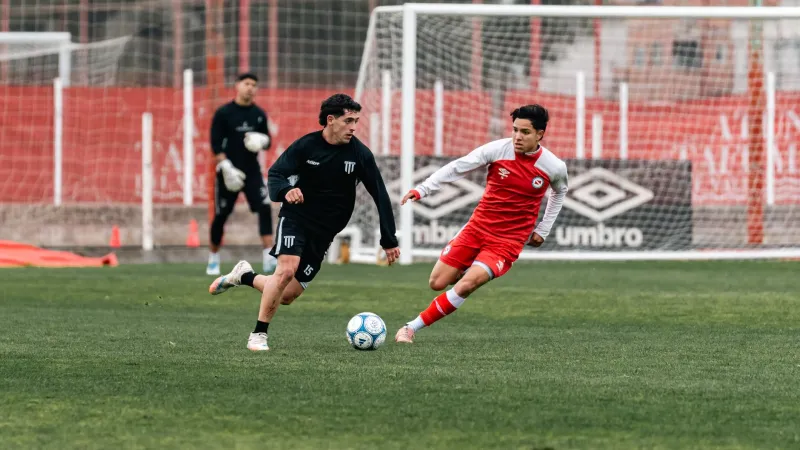
If you've been watching MLS closely over the past few seasons, you might have noticed something a little different about the way teams defend — or more accurately, the way they don't just defend. The left back position, once a role defined almost entirely by stopping opposing wingers and hoofing the ball upfield, has undergone a serious makeover. These days, some of the most dangerous attacking moves in the league are being launched by the very players who used to be the last line of protection on the left side.
This isn't a coincidence. It's a tactical revolution, and it's happening right here in American soccer.
Why the Position Had to Change
For decades, the fullback role in American soccer — at every level — was pretty straightforward. Stay wide, don't get beaten, and maybe overlap once in a while if you're feeling adventurous. But as European clubs began dominating global soccer with possession-heavy, high-press systems, the demands on fullbacks completely transformed.
Coaches like Pep Guardiola at Manchester City and Jürgen Klopp at Liverpool essentially rewrote the job description. Fullbacks became inverted runners, half-space occupiers, and secondary playmakers. They weren't just defenders anymore — they were essential cogs in the attacking machine.
That influence has crossed the Atlantic. MLS front offices have been recruiting tactically sophisticated coaches and players who understand these modern principles, and the left back position has been one of the biggest beneficiaries.
The Numbers Don't Lie
Look at recent MLS statistical breakdowns and you'll start to see it clearly. Across the league, left backs are averaging more key passes, more progressive carries, and more touches inside the opposition's final third than at any point in the league's history. Expected assists (xA) for players in that position have climbed steadily, and several left backs have cracked double digits in combined goal contributions over a single season — something that would've been unthinkable ten or fifteen years ago.
Teams are also building their offensive structures around their left backs in a way that's genuinely new for MLS. Rather than treating the position as a safety valve, coaches are designing attacking patterns that funnel through the left channel, trusting their fullback to either deliver a final ball or make a run into the box.
Players Who Are Leading the Charge
Kai Wagner (Philadelphia Union) has been one of the most consistent attacking fullbacks in the league for years. The German-born defender is a perfect example of a player who's embraced the modern role completely. Wagner's deliveries from wide areas are elite by any standard, and his ability to combine with Union midfielders in tight spaces before bursting forward has made Philadelphia's left side one of the most dangerous channels in MLS. He's the kind of player European scouts look at and immediately understand.
John Tolkin (New York Red Bulls) is younger and still developing, but the trajectory is genuinely exciting. Homegrown through the Red Bulls' academy system, Tolkin represents something important: a domestically developed player who grew up understanding the modern fullback role. His energy, his willingness to join attacks, and his improving delivery suggest he could be one of the best in the position for the next decade.
DeJuan Jones (New England Revolution) is another name worth knowing. Jones brings athleticism and a sharp sense of timing to his attacking runs. He's not always the flashiest player on the field, but his consistency in getting forward and providing an outlet on the left has been a huge part of how the Revs build their offense. His ability to combine inside or stay wide gives coaches real tactical flexibility.
Riqui Puig, playing for LA Galaxy in a slightly different context, has also influenced how left-sided players in his orbit operate. When a creative midfielder is pulling the strings nearby, the left back's runs become even more dangerous — and Galaxy's system reflects exactly that kind of interplay.
What This Means for the USMNT
Here's where it gets really interesting for American fans. The U.S. Men's National Team has historically struggled to find reliable left backs who can contribute in the modern style. But as MLS continues developing and attracting players who understand these attacking principles, the pipeline is improving.
Coach Gregg Berhalter's successor will have more options at that position than any previous USMNT coach. Young American fullbacks are now being trained in systems that demand they contribute offensively, which means by the time they're ready for international duty, the instincts are already baked in.
Europe noticed this shift too. Multiple MLS left backs have attracted genuine transfer interest from European clubs in recent seasons — which tells you everything about how the perception of the position is evolving.
The Bigger Picture
What's happening with MLS left backs is really a microcosm of what's happening with American soccer as a whole. The game here is getting more sophisticated, more tactically literate, and more aligned with the global trends that define elite soccer. Fans who watch MLS regularly are now seeing positional play, pressing triggers, and attacking structures that look a lot like what you'd find in the Bundesliga or Serie A.
That's a genuinely exciting development. And the left back, of all positions, has become one of the clearest symbols of that growth.
So next time you're watching your favorite MLS side and you notice their left back bombing forward into the box, don't be surprised. That's not a mistake. That's the plan — and it's working.