From the Cornfields to the Pitch: How Small-Town America Is Falling Head Over Cleats for Soccer
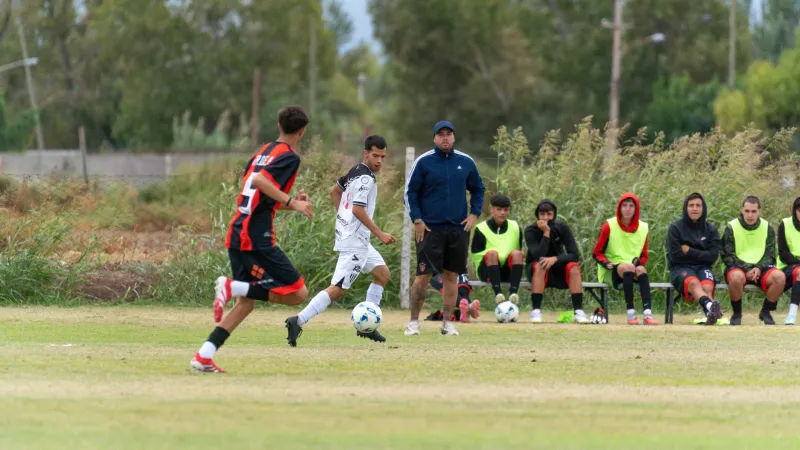
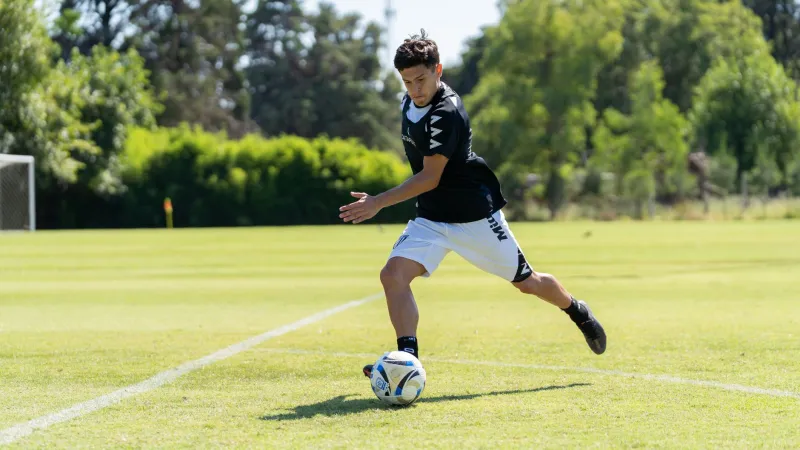
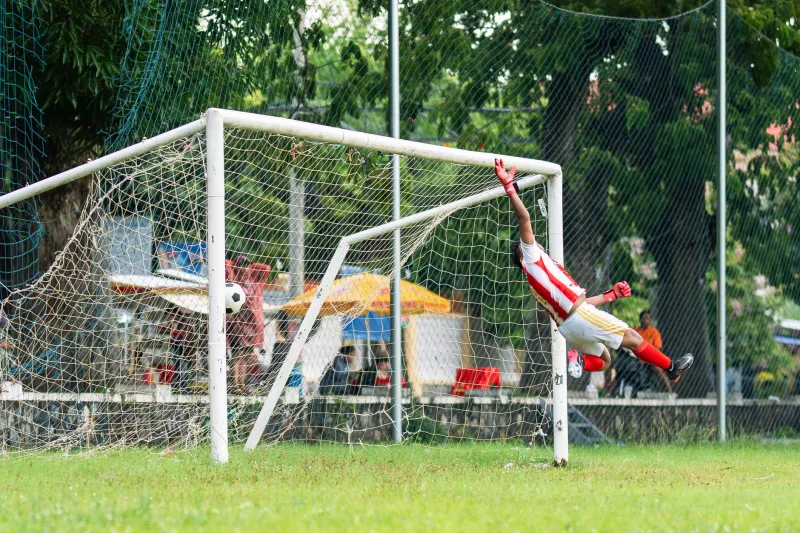
Drive about forty minutes outside of Columbus, Ohio on a Saturday morning in October and you'll find something that would have seemed borderline impossible fifteen years ago. Minivans and pickup trucks lined up along a freshly marked grass field. Parents in camp chairs with thermoses of coffee, scarves wrapped around their necks — some bearing club crests you've never heard of. Kids in full kits warming up with a seriousness that borders on adorable. And underneath all of it, a genuine, buzzing, community-built love of soccer.
This is the new American soccer story. And it's not being written in Seattle or Atlanta.
The Places Nobody Expected
When people talk about soccer growth in the US, the conversation usually defaults to the same handful of cities — the ones with MLS clubs, big immigrant populations, and coastal cultural credibility. Those markets matter. But they're not where the most interesting growth is happening right now.
The real story is in places like Bentonville, Arkansas. Tulsa, Oklahoma. Boise, Idaho. Fargo, North Dakota. Communities where football (the other kind) has been the unchallenged king of fall weekends for generations. Communities where soccer, not long ago, was that thing kids played for a couple of seasons before they got old enough to commit to a "real" sport.
Something has changed in these towns. Dramatically.
The Club Team Effect
Ask any parent in one of these communities what flipped the switch and they'll usually point to one thing: the arrival of a serious youth club program. Not a recreational league where everyone gets a trophy and the goal is to get some exercise before the pizza party. A real club. With real coaching, real travel schedules, and real competition.
Take Jennifer Calloway, a mom of three in Wichita, Kansas, whose youngest daughter started playing for a local club program three years ago. "I didn't know anything about soccer when she started," she admits. "I played volleyball in high school. But once you start watching your kid get coached properly — watching them actually develop — you get hooked. I've watched more soccer in the last two years than I've watched in my entire life combined."
That's the pattern. A kid joins a club. A parent starts watching. That parent starts understanding the game. Understanding leads to appreciation. Appreciation leads to passion. Passion leads to a family that now streams Serie A on Sunday mornings and argues about pressing triggers at the dinner table.
The Tournament Circuit as Cultural Event
One of the most underappreciated engines of heartland soccer growth is the regional tournament circuit. These weekends — where clubs from across a multi-state area converge on a complex of fields for two or three days of competition — have become genuine community events that go way beyond the sport itself.
For families, these tournaments are the youth soccer equivalent of a music festival. You're spending the weekend with other families who share the same obsession. You're comparing notes on coaching philosophies. You're watching games that aren't your kid's game because the soccer is just good and you want to see it. Local rivalries are forming between clubs from towns that have no other reason to care about each other.
"Our club plays a team from a town about sixty miles away and it's become this whole thing," says Marcus Webb, a coach with a club program in rural Indiana. "Parents talk about that game for weeks beforehand. Kids are texting each other. It feels like a rivalry that's been going on for decades, but we've only been playing them for three years. That's how fast this stuff grows."
What These Communities Are Building
The infrastructure being built in these non-traditional markets is genuinely impressive. Small towns are constructing dedicated turf facilities. Local businesses are sponsoring kits. High school programs that struggled to field a team a decade ago are now cutting players from varsity rosters. And perhaps most tellingly, kids in these communities are choosing soccer over other sports at younger ages and sticking with it longer.
This isn't just about recreation. It's about identity. In communities that have traditionally organized their social lives around Friday night football and summer baseball, soccer is carving out its own cultural lane — and doing it on its own terms, without apology.
The Immigrant Thread
It would be incomplete to tell this story without acknowledging the role of immigrant communities in seeding soccer culture in unexpected places. Meatpacking towns in Kansas and Nebraska. Poultry processing communities in Arkansas and Georgia. Agricultural regions across the Southwest. In many of these places, soccer wasn't introduced by a youth development initiative or a corporate league expansion. It was already there, played passionately by communities who brought the game with them from Mexico, Central America, and beyond.
The interesting development is what happens when those communities and the broader suburban youth club culture start to intersect — when a kid from a Mexican immigrant family and a kid from a fifth-generation farming family end up on the same club roster, competing together, winning and losing together. Soccer, in these moments, functions as something more than a sport.
What This Means for American Soccer Culture
Here's my honest take: the most exciting thing about American soccer's future isn't what's happening in the MLS boardrooms or the USSF development centers. It's what's happening on these unmarked grass fields on Saturday mornings in places that don't show up in most soccer think pieces.
Fan culture, real fan culture, grows from the ground up. It grows from people who have a personal, emotional connection to the game — who watched their kid take their first touch, who drove four hours to a tournament and sat in the rain, who learned the offside rule out of necessity and then fell in love with the tactical complexity behind it.
That's what's being built in the heartland right now. Not just players. Fans. Communities. A relationship with the beautiful game that's going to last for generations.
And when the 2026 World Cup rolls through cities like Kansas City and Dallas, those fans are going to be ready. They've been getting ready for years — they just didn't have a big stage to show it.
Welcome to the party, America. You got here in the most American way possible: through your kids, through your neighborhoods, and through a whole lot of Saturday mornings on the grass.