The 60th Minute Panic: Inside the Emotional Explosion That Defines American Soccer Fandom

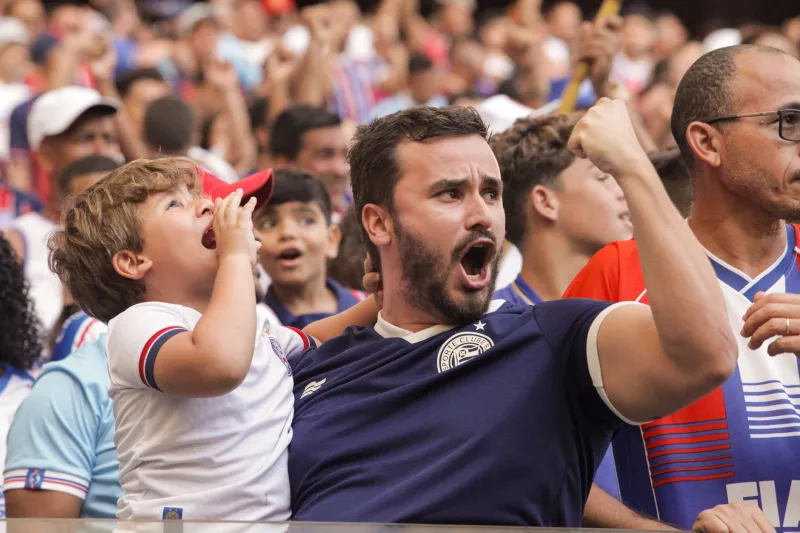
You can set a clock by it. Somewhere around the 58th minute, the tone in every soccer watch party, every Discord server, every Reddit match thread shifts. The casual jokes dry up. The emoji game gets darker. Someone types something in all caps. Someone else responds with a single period. The 60th minute has arrived, and American soccer fans — from the die-hards who've been watching since Landon Donovan was a teenager to the newer converts still learning what a false nine actually does — are collectively losing their minds.
This isn't just a vibe. It's practically a phenomenon.
Why the Hour Mark Hits Different
To understand why the 60th minute carries such outsized emotional weight, you have to think about what's actually happening on the pitch at that moment. Players are deep into fatigue territory. Tactical plans made in the locker room have been stress-tested, exposed, and sometimes completely dismantled. Managers are hovering near the touchline, substitution boards in hand, ready to either save the game or accidentally make it worse.
For fans watching from their couches in Chicago or their local sports bar in Austin, this is when the math starts getting real. A 1-0 lead suddenly feels fragile. A 1-0 deficit starts feeling like a mountain. The comfortable middle ground of the first half — when anything still felt possible — is gone.
Dr. Melissa Carver, a sports psychologist based in Denver who works with both athletes and fan communities, describes it as a kind of collective anticipatory anxiety. "Around the 60-minute mark, fans shift from watching the game to calculating outcomes," she explained. "The brain starts running scenarios — if we score now, if they score now — and that cognitive load combined with the emotional investment creates a pressure cooker effect."
In other words, your brain isn't just watching soccer anymore. It's doing stressed-out math.
The Match Thread as Emotional EKG
If you want hard evidence of this phenomenon, spend some time scrolling through match threads on r/MLS or r/soccer during any high-stakes game. The pattern is almost comically consistent. The opening exchanges get a mix of tactical observations and light banter. A goal — or a near miss — spikes the energy. Then there's a kind of mid-match plateau. And then, like clockwork, around the 60th minute, the thread erupts.
Comments per minute spike. Punctuation gets aggressive. Fans who were calmly discussing formation switches are suddenly typing things they'll probably regret. The emotional register goes from "this is tense" to "I cannot handle this" in the span of about four minutes.
Data pulled from social media monitoring during recent MLS Cup playoff matches showed engagement spikes between the 58th and 68th minutes that routinely outpaced even goal-scoring moments. Think about that — people are reacting more intensely to the possibility of something happening than to the thing itself actually happening.
That's the 60th minute effect in action.
American Fans and the Unique Pressure of the Second Half
There's something worth noting specifically about American soccer culture here. Fans who grew up watching the NFL, NBA, or MLB are wired for a different kind of tension. Those sports have built-in stopping points — timeouts, commercial breaks, half-innings — that give emotional energy somewhere to go. Soccer doesn't offer that release valve. Ninety minutes of continuous action means ninety minutes of emotional pressure building with nowhere to escape.
For American fans who've adopted soccer as their primary obsession, this has created a uniquely intense relationship with the second half. Many describe the 45th minute not as a relief but as a countdown to something scarier.
"The halftime whistle doesn't calm me down," admitted Marcus T., a 34-year-old LAFC supporter from Los Angeles who's been attending matches since the club's inaugural season. "If anything, halftime makes it worse. You have fifteen minutes to sit there and think about everything that could go wrong in the second half. By the time the 60th minute rolls around, I'm basically vibrating."
That physical description — vibrating — comes up a lot when fans talk about this specific window. Restless legs. The inability to sit still. Pacing. Stress eating. These are the hallmarks of what the 60th minute does to people who care deeply about the outcome.
When Substitutions Become a Referendum on Everything
Part of what makes the 60th minute so emotionally loaded is that it's prime substitution territory. And in American soccer fan culture, substitutions have become a deeply personal event.
When a manager pulls a player the fanbase loves — or brings on someone they've been clamoring for — it triggers an immediate emotional response that's almost tribal. Match threads split into factions. Watch parties divide. The substitution board going up is basically a Rorschach test for how the fanbase is feeling about the manager's entire decision-making history.
This is especially pronounced in MLS, where rosters are smaller and fan attachment to individual players runs deep. Pulling a fan favorite in the 63rd minute of a tight playoff game isn't just a tactical decision — it's a social event. It will be dissected, debated, and occasionally mourned for weeks.
"American fans have developed a real sophistication about tactical decisions," said Jamie Okafor, who runs a popular soccer tactics YouTube channel focused on MLS analysis. "But that sophistication makes the 60th minute harder, not easier. When you understand why a manager might make a certain move, you also understand all the ways it could go wrong. Knowledge breeds anxiety in soccer."
The Physiology of the Hour Mark
Beyond the psychology, there's actual biology worth considering. Sustained emotional stress over 60-plus minutes of watching a high-stakes match elevates cortisol levels, raises heart rate, and keeps the nervous system in a low-grade fight-or-flight state. By the time the second half hits its critical window, fans' bodies have been marinating in stress hormones for over an hour.
This is why the 60th minute can feel genuinely physical. The shaky hands. The dry mouth. The sudden inability to form coherent sentences — which explains a lot of match thread content, honestly.
For American fans, many of whom are watching alone or in small groups rather than in massive stadium atmospheres, there's no crowd energy to absorb the tension. It's just you, the TV, and sixty minutes of accumulated anxiety looking for somewhere to go.
Embracing the Chaos
Here's the thing, though: most soccer fans wouldn't trade this for anything. The 60th minute panic, the match thread meltdowns, the pacing around the living room — it's all part of why this sport hits differently from anything else in the American sports landscape.
Soccer doesn't give you easy outs. It doesn't pad the experience with commercial breaks or guarantee you a tidy resolution. The 60th minute is brutal precisely because the stakes are real and the outcome is genuinely uncertain. And for a growing community of American fans who've fallen hard for this game, that uncertainty isn't a flaw.
It's the whole point.
So the next time you find yourself absolutely unraveling somewhere around the 62nd minute of a match that matters to you — know that you're not alone. Millions of American soccer fans are right there with you, doing the math, watching the touchline, and typing things in all caps they'll delete before hitting send.
Welcome to the beautiful game. It only gets more intense from here.