Sleep When You're Dead: How American Soccer Fans Are Rearranging Their Entire Lives for Kickoff
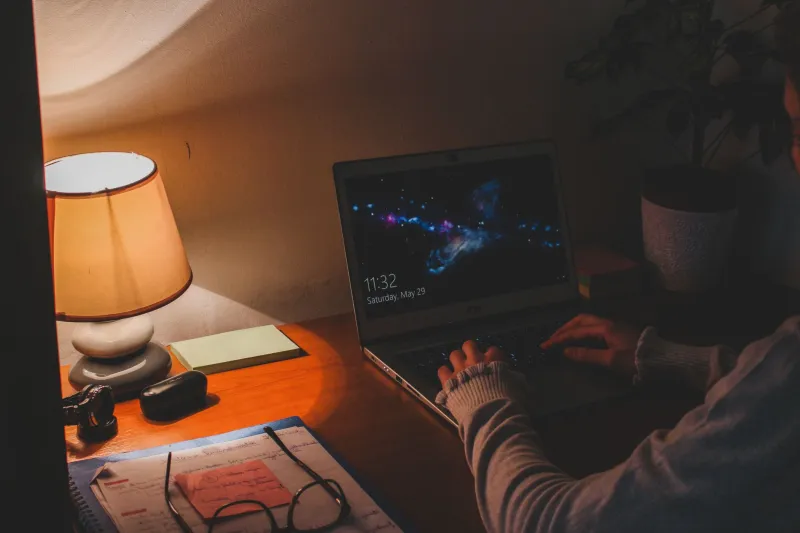
There's a particular kind of exhaustion that only soccer fans in America truly understand. It's not the tired you feel after a long day at the office or a tough workout. It's the specific, bone-deep fatigue that comes from watching Erling Haaland score in the 89th minute at 3:17 in the morning, then somehow showing up to a 9 AM meeting and pretending everything is fine.
And yet, millions of us do it. Week after week, season after season.
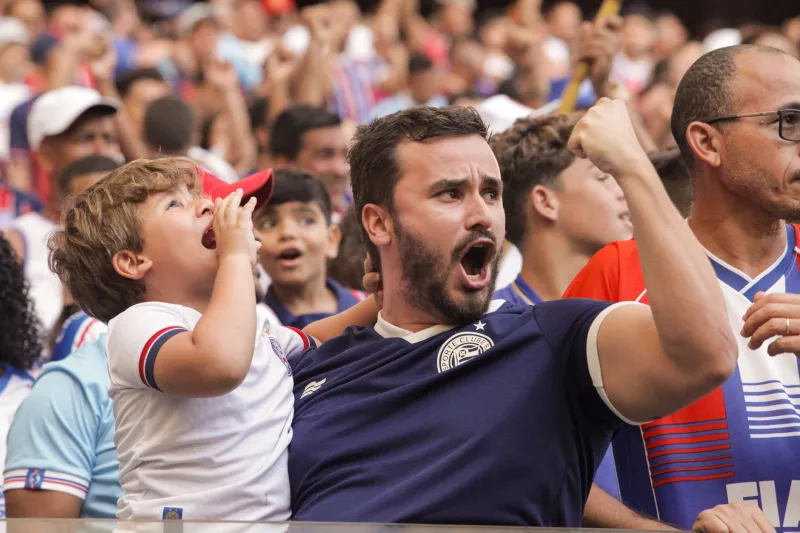
The beautiful game doesn't care that it's Tuesday night in Kansas City or that you have a parent-teacher conference in the morning. When the whistle blows in Manchester or Madrid, it blows on their schedule — not yours. And for a huge chunk of American soccer fans, that's become less of an inconvenience and more of a full-blown lifestyle restructuring project.
The Alarm Clock as a Love Language
Ask any serious Premier League, Bundesliga, or Champions League fan in the US and they'll tell you the same thing: the schedule runs their life. Not their boss. Not their kids' soccer practice. The fixture list.
Fans on Reddit's r/soccer and various Discord servers talk openly about setting multiple alarms before big European matches — the kind of obsessive pre-game ritual that used to be reserved for Super Bowl Sunday. Except this happens on random Tuesdays in October.
Mike, a 34-year-old Liverpool supporter from Nashville, told us he's worked out an entire system. "I check the kickoff times on Sunday nights and basically plan my week around them," he explained. "If there's a Champions League match on Wednesday at 3 PM Eastern, I'm fine. But if it's a Saturday morning Premier League game at 7:30 AM, I'm setting my alarm for 7:15 and making peace with whatever state my brain is in."
For some fans, it goes much further than early alarms. There are people quietly rearranging work schedules, negotiating with partners, and even switching to remote or flexible jobs — not for the work-life balance, but for the soccer-life balance.
What This Does to Your Body (Spoiler: Not Great)
Sleep researchers have been sounding the alarm — pun intended — about the health consequences of irregular sleep patterns for years. Chronic sleep deprivation is linked to everything from weakened immune function to increased anxiety and impaired decision-making. None of which sounds ideal for someone who's already emotionally invested in whether their striker can convert a penalty in a Europa League quarterfinal.
The issue isn't just about getting fewer hours. It's about the disruption of circadian rhythms — your body's internal clock. Waking up at 2:45 AM for a match, watching 90-plus minutes of high-intensity soccer, and then trying to fall back asleep (if you even bother) before a 7 AM alarm is a recipe for what sleep specialists call "social jet lag." Your body thinks it's living in a different time zone. Functionally, it kind of is.
And yet, the fan community largely treats this as a badge of honor. "I survived the 3 AM El Clásico" has the same energy as a marathon finisher's medal. The suffering is part of the identity.
The Coping Mechanisms Are Getting Creative
American soccer fans are nothing if not resourceful. Over the years, a whole informal playbook of coping strategies has emerged.
Some fans have leaned hard into the nap game. Strategic 20-minute naps before late-night kickoffs, longer recovery naps on weekend afternoons after early-morning matches — it's basically a sleep science experiment conducted entirely in the service of fandom. Others have embraced the "go to bed early, wake up at kickoff" approach, treating a 3 AM Champions League match like a night shift.
Then there are the hardcore fans who've simply inverted their schedules entirely during big tournament windows. During the World Cup or Euros, some fans just... stop pretending they're going to bed at a normal hour. They lean into the chaos, stock the fridge with snacks, and accept that they'll be running on caffeine and adrenaline for the next few weeks.
Coffee consumption among US soccer fans during European competition windows is probably a statistic nobody has officially measured, but it would be genuinely staggering.
When the Family Doesn't Share the Obsession
Here's where things get genuinely complicated. It's one thing to wreck your own sleep schedule in the name of love for the game. It's another thing entirely when your 3 AM alarm wakes up your partner, your kids, or your roommate who has absolutely no interest in whatever is happening at the Etihad Stadium right now.
Relationship friction around soccer schedules is more common than people admit. Fans talk about negotiating "match moratoriums" with partners — agreements about how many early-morning alarms are acceptable per week. Others have retreated to the couch or a spare room to watch matches without disturbing anyone, which has its own particular brand of lonely-but-dedicated energy.
There's also the parenting dimension. More than a few American soccer fans have described the surreal experience of waking up at 2 AM for a match, only to have a toddler wander out of their bedroom 20 minutes later, equally awake and confused. Soccer parenting hits different at 3 in the morning.
Is Any of This Actually Sustainable?
Honestly? Probably not at peak intensity, for most people. The fans who've been doing this for 10, 15, 20 years will tell you that the approach evolves. You pick your battles. You decide which competitions are worth the full sacrifice and which ones you can catch on replay without spoiling the result.
The rise of quality replay and on-demand viewing through services like Peacock, Paramount+, and ESPN+ has given fans a genuine off-ramp when life simply won't cooperate. There's a growing acceptance in fan communities that watching a match on delay isn't a betrayal — it's survival.
But for the really big matches? The ones that define seasons and careers and legacies? Most fans will tell you the replay just doesn't hit the same. There's something irreplaceable about experiencing it live, even if "live" means you're wrapped in a blanket at 3 AM with the volume turned down to 12 so you don't wake the house.
The Love That Costs You Sleep
At the end of the day — or the beginning of it, depending on your kickoff time — this is what real fandom looks like in America. It's inconvenient, occasionally unhealthy, and completely irrational by any objective measure. And yet the American soccer community keeps showing up, bleary-eyed and fully committed, because the alternative — missing the moment, watching the highlights, being slightly outside the experience — feels like a kind of betrayal of something they genuinely love.
Football doesn't wait for a convenient time zone. And American fans, increasingly, have decided they're not going to ask it to.
Set your alarm. The beautiful game starts when it starts.