Swipe, Spend, Repeat: The Hidden Financial Spiral That Follows a Brutal Playoff Exit
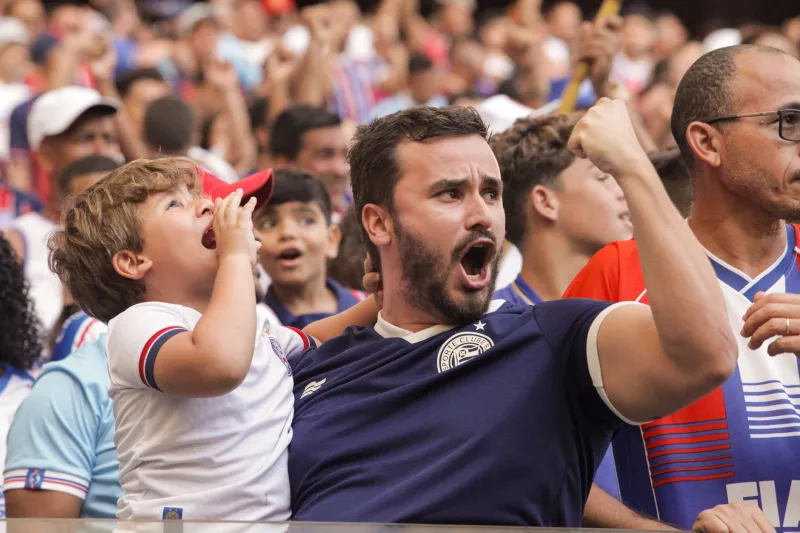
It's 10:47 PM on a Tuesday. Your team just got eliminated in the most gut-wrenching way imaginable — a late own goal, a missed penalty, a referee call that'll haunt your group chat for the next six months. You should probably go to bed. Instead, you're on the team's official store website, adding a scarf to your cart that you absolutely do not need.
Sound familiar? You're not alone, and you're definitely not irrational — at least not in the way you might think.
Across American soccer fandom, there's a quiet financial pattern that nobody really talks about but almost everyone participates in. After devastating playoff losses, fans spend more. More merch, more tickets to future fixtures, more streaming subscriptions, more gear for their kids' rec leagues. The heartbreak, it turns out, doesn't push people away from the sport. It pulls them deeper in — and it takes their credit cards with it.
When Pain Becomes a Purchase
Psychologists who study sports fandom have a term for the identity fusion that happens between a dedicated fan and their club. It's not just loyalty — it's a genuine extension of self. When your team loses, especially in a playoff scenario where everything was on the line, your brain processes that loss similarly to a personal failure. The emotional stakes are real.
And when people experience that kind of emotional rupture, they look for ways to reassert control, reaffirm identity, and signal commitment — both to themselves and to their community. Spending on team merchandise does exactly that. Buying a jersey the night after a heartbreaking loss is, in a strange but very human way, a declaration: I'm still here. I still believe. This isn't over.
For American fans specifically, this behavior has a particular flavor. Soccer culture in the US is still relatively young compared to what you'd find in England or South America. There's something to prove. When your team loses, doubling down on fandom feels like an act of loyalty that goes beyond the 90 minutes.
The MLS Playoff Effect
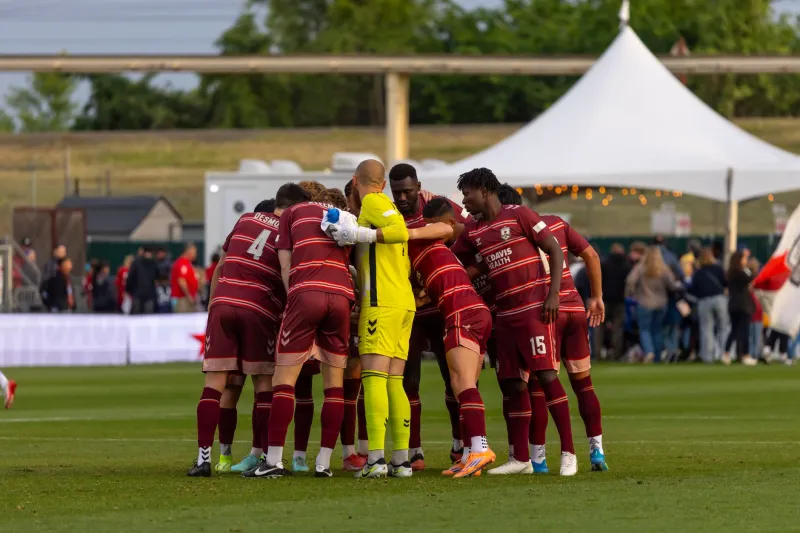
Look at MLS fan communities after a deep playoff run ends badly and you'll see it play out in real time. Forums light up. Subreddits fill with venting posts — but also with photos of newly arrived jerseys, pre-orders for next season's kits, and screenshots of season ticket renewals. The emotional whiplash is almost immediate.
Take a Columbus Crew fan who watched their team bow out in a match that felt like it was theirs to win. Or a Seattle Sounders supporter sitting through yet another agonizing exit after building so much hope through the regular season. The grief is real. But so is the almost reflexive move toward more investment, not less.
Part of this is the playoff structure itself. MLS's single-elimination format is uniquely brutal. One bad night and it's over. There's no best-of-seven to soften the blow. That abruptness creates a kind of emotional vacuum that fans instinctively try to fill — and consumer behavior rushes right in to fill it.
Tickets to Tomorrow as a Coping Mechanism
Here's where it gets really interesting. It's not just merchandise. One of the most common post-loss spending behaviors among American soccer fans is buying tickets — to future games, to preseason friendlies, even to international tournaments that are months away.
On the surface, this seems counterintuitive. Why would a devastating loss make you want to show up again sooner? But emotionally, it makes complete sense. Purchasing a ticket is an act of hope. It's a commitment to a future moment where things might be different. It's a way of telling yourself that the story isn't finished.
For a lot of fans, this is how they process grief — not by withdrawing, but by leaning forward. The ticket purchase becomes a psychological anchor. Something to look forward to. A reason to keep caring.
The Community Reinforcement Loop
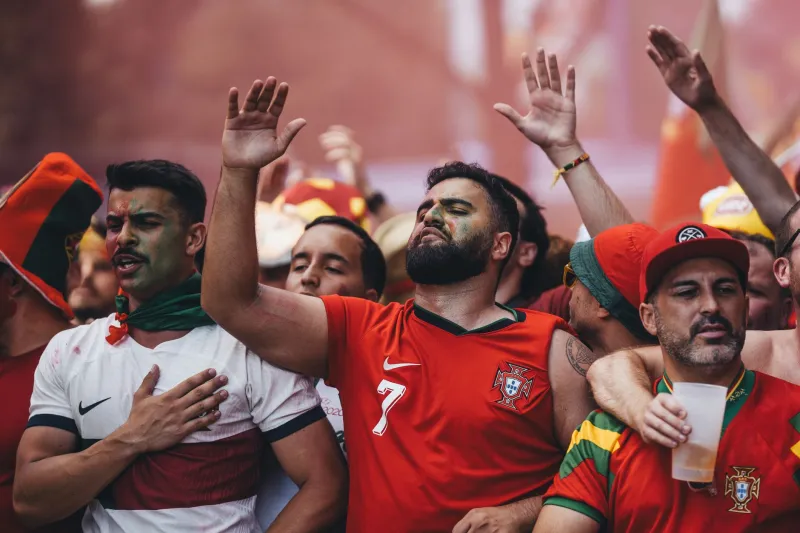
Social media and fan communities supercharge this whole cycle. After a tough playoff loss, supporter groups don't go quiet — they get louder. There are tribute posts, highlight reels, "we'll be back" graphics, and threads where fans share what the season meant to them.
This communal grieving actually reinforces spending behavior. When you see five other people in your supporter section posting photos of new gear they just ordered, the social signal is clear: this is how we respond. This is what loyalty looks like. The group identity becomes something you want to physically demonstrate, and merchandise is the most accessible way to do that.
Brands and clubs know this, by the way. It's not a coincidence that many clubs drop limited edition items — "tribute" kits, commemorative scarves, special edition prints — in the days following a playoff exit. The timing is deliberate. They understand the emotional window they're working with.
Is Any of This Actually Bad?
Here's the honest take: for most fans, this spending is harmless and maybe even healthy. Channeling grief into community, identity, and anticipation of future joy isn't exactly a red flag. It's just fandom doing what fandom does — turning emotional investment into something tangible.
The places where it gets complicated are at the margins. When a fan is already stretching financially to follow their team, the post-loss emotional vulnerability can push them into purchases they'll regret when the credit card bill arrives. The same psychological mechanisms that make this spending feel meaningful in the moment can also make it feel impulsive in hindsight.
The key is awareness. Recognizing that the urge to spend after a heartbreaking loss is a very normal emotional response — not a rational one — gives you at least a fighting chance to decide whether that jersey purchase is genuinely something you want or just a way of managing feelings you haven't fully processed yet.
What It All Means for American Soccer
Zoom out and there's actually something beautiful buried in all of this. The fact that American soccer fans respond to heartbreak by spending more, showing up more, and caring more is a sign of a fan culture that has genuinely arrived. You don't grieve what you don't love. You don't double down on something that doesn't matter to you.
The heartbreak economy isn't a bug in American soccer fandom. It's a feature — a messy, expensive, emotionally complicated feature that proves the sport has burrowed its way into something real for millions of people across this country.
So next time you find yourself at midnight with a cart full of team gear after a brutal playoff exit, maybe cut yourself a little slack. You're not being irrational. You're just in love with a sport that keeps breaking your heart — and somehow, impossibly, that makes you love it more.
Welcome to the club. The jersey looks great on you.