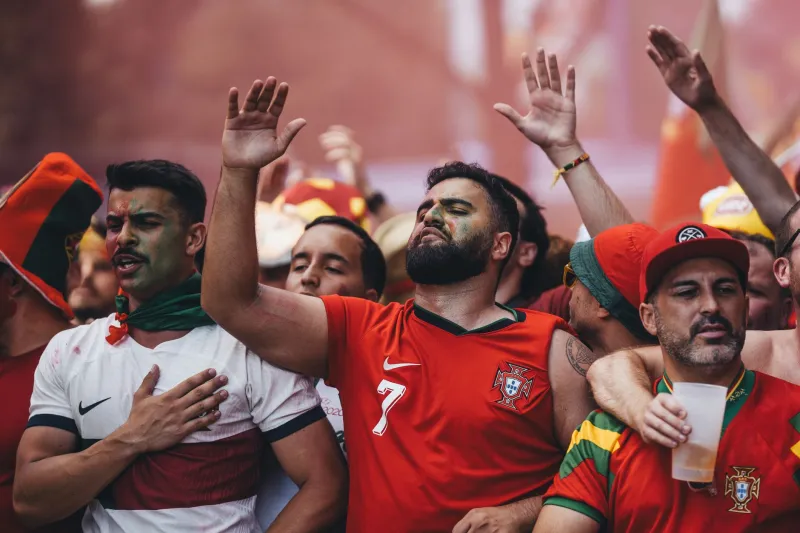
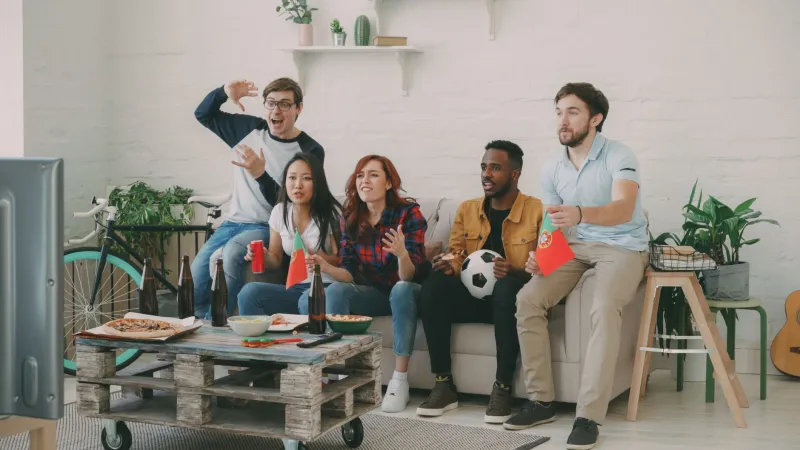
Lucky Socks, Sacred Seats, and Pre-Match Playlists: Inside the Wild Superstition Culture of American Soccer Fans
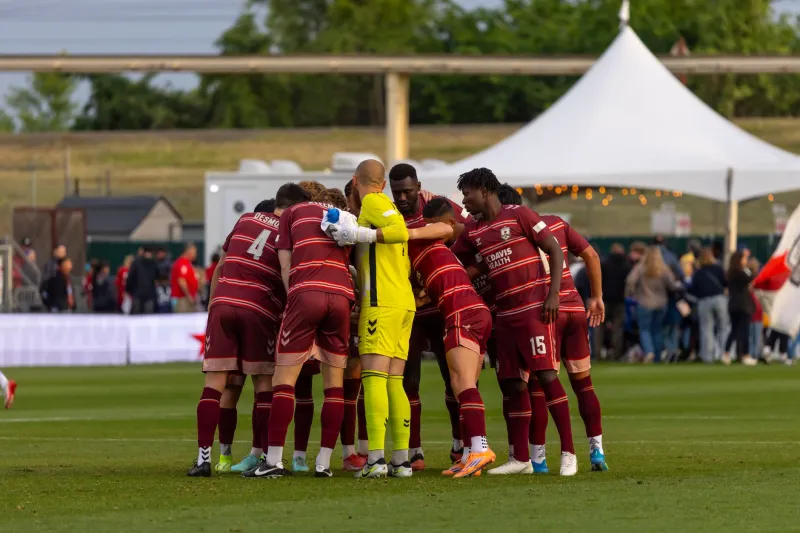
Jordan Meyers hasn't washed his Portland Timbers scarf since October 2022. That was the night Portland came back from two goals down to win in stoppage time, and Jordan was wearing the scarf — a beat-up green thing he bought outside Providence Park for twelve bucks. He knows it's irrational. His wife has made her feelings very clear. But the scarf stays unwashed, draped over the same hook by the front door, doing its sacred duty every single match day.
"I'm not a superstitious person," Jordan insists, which is exactly what every superstitious person says. "It's just — that scarf has been there for some big moments. Why mess with it?"
Welcome to the hidden religion of American soccer fandom, where logic takes a back seat and ritual reigns supreme.
From Casual Viewers to Full-Blown Believers
Superstition has always lived somewhere in the DNA of sports fandom. Baseball fans have been doing it for over a century. Football fans have their game-day jerseys and their lucky recliners. But something genuinely fascinating is happening in American soccer culture right now: fans who came to the sport relatively recently — maybe through the 2014 World Cup, or a Premier League rabbit hole, or just watching their kid play on Saturday mornings — are developing rituals that rival anything you'd find in the most devoted corners of English or Brazilian fan culture.
And they're doing it fast.
Psychologists who study sports behavior will tell you this isn't random. Dr. Stuart Vyse, a behavioral scientist who has written extensively on superstition, has noted that rituals tend to emerge most intensely around things we care about deeply but can't control. You can't make your team score. You can't stop that penalty. But you can make sure you're sitting in the exact same spot on the couch, wearing the exact same hoodie, eating the same pre-match meal you had the last time they won.
That illusion of influence — however thin — is genuinely comforting. And for a fanbase that has spent decades fighting to prove soccer belongs in America, the emotional investment is real and it runs deep.
The Rituals Are Getting Elaborate
We asked fans across the country to share their pre-match routines, and honestly, the responses were a lot.
Tamika Osei, a lifelong Atlanta United supporter, has a pre-match playlist that runs exactly 47 minutes — the length of her drive to Mercedes-Benz Stadium. Not 45 minutes. Not 50. Forty-seven. "If I have to circle the block to finish the last song, I circle the block," she says, completely deadpan. The playlist ends, always, with the same song: "Seven Nation Army" by The White Stripes. You know the one. The whole stadium does.
Then there's Marcus Delgado in Chicago, who watches the same three-minute highlight reel on his phone before every Fire match. It's a compilation of goals he put together himself back in 2019. The video quality is rough. Some of the goals aren't even that great. But Marcus has watched it before every single game since, and he's not stopping now.
"I tried skipping it once," he says. "We lost 4-1. I'm never doing that again."
Other fans described:
- A couple in Seattle who always argue about whether to order pizza or Thai food before a Sounders match — and who believe their team plays better when they order Thai
- A man in New Jersey who insists on watching USMNT games from the basement, even in summer, because "the basement energy is different"
- A woman in Austin who texts the same three-word message to her soccer group chat — she won't tell us what it says — before every match, no exceptions
The creativity here is remarkable. These aren't inherited traditions passed down through generations of terraced supporters. These are rituals invented from scratch, grown organically out of personal experience and emotional attachment.
What It Actually Reveals
Here's the thing about superstition: it's not really about luck. It's about belonging.
When you develop a ritual around your team, you're doing something powerful. You're weaving the club into the fabric of your daily life. You're saying, this matters enough to me that I've built a whole little ceremony around it. That's not delusion — that's love. That's exactly the kind of passion that transforms a casual viewer into a real, ride-or-die fan.
And for American soccer fans specifically, there's an extra layer to this. Many of these fans didn't grow up with the sport handed to them the way a kid in Manchester or São Paulo might have. They chose soccer. They found it, fell for it, and then — almost defensively, almost defiantly — they planted their flag. The rituals are part of that ownership. They're how you say: this is mine now. I belong to this, and it belongs to me.
That's a big deal in a country where soccer's place in the sports landscape has always felt like it needed justifying.
The Ones That Went Wrong
Of course, every superstition eventually faces its moment of reckoning. The ritual that "works" is celebrated and enshrined. The one that fails gets quietly retired — or blamed on an impure execution.
Alex Nguyen, a passionate LAFC supporter, swore by a specific parking spot near BMO Stadium. He'd arrive early, no matter what, to secure it. His team went on a six-game unbeaten run. Then someone else took the spot. LAFC lost. Alex spent the next two home games arriving an hour early to reclaim it.
"Did it help?" we asked.
"We drew both times," he said. "So kind of?"
This is the beautiful, maddening logic of sports superstition. Wins confirm the ritual. Losses get explained away. The belief survives because we need it to survive.
A Tradition in the Making
What's especially exciting about all of this is that American soccer superstitions are still young. They're still being written. The fan who invented their ritual in 2018 might pass it down to their kid who grows up watching the 2026 World Cup on home soil. That kid might tweak it, add to it, make it their own.
This is how fan culture actually builds. Not through official merchandise campaigns or league marketing initiatives, but through the weird, personal, slightly embarrassing things people do in their living rooms and parking lots and group chats because they love their team so much that reason stopped being the point.
Jordan Meyers' scarf is still unwashed, by the way. Portland had a rough stretch this season. He's been thinking about whether the scarf has lost its power — or whether he just needs to believe in it harder.
He's going with harder.
That's what being a soccer fan feels like. And honestly? We wouldn't have it any other way.