Ninety Minutes of Therapy: How Soccer Fandom Is Quietly Healing American Fans
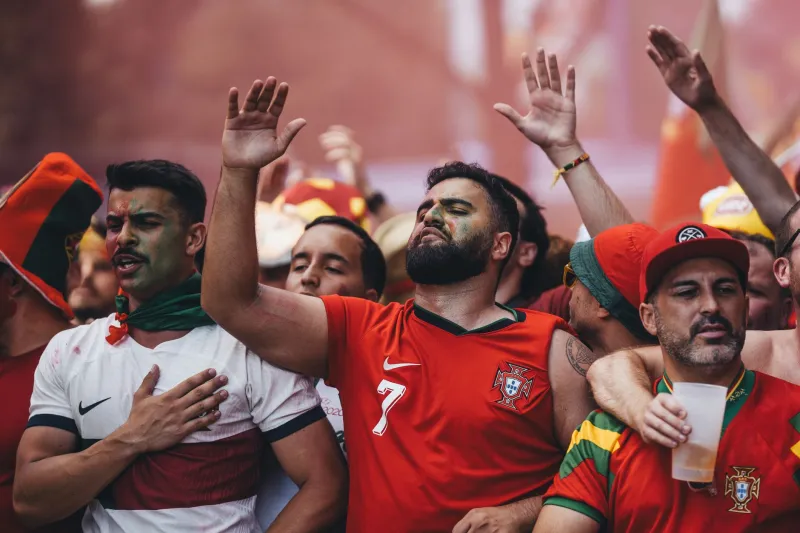
Marcus hadn't cried in years. Not at his dad's retirement party, not when his dog passed, not during any of the usual moments life reserves for that kind of release. Then, in the 94th minute of a USMNT World Cup qualifier, Christian Pulisic curled one into the top corner and Marcus — standing in a packed bar in Columbus, Ohio, surrounded by people he'd never met — completely lost it.
"I ugly cried," he says, laughing now. "Like, full-on. And nobody thought it was weird. The guy next to me was doing the same thing."
That moment, he admits, cracked something open. He started going to more games. He joined a supporters' group. He started sleeping better.
Marcus isn't alone. Across America, soccer fans are quietly discovering what sports psychologists have been trying to tell us for years: the beautiful game might be one of the most accessible, underrated tools for emotional regulation we've got.
The Science Behind the Scarf
Dr. Leah Torres, a sports psychologist based in Chicago who works with both professional athletes and recreational fans, says the mental health benefits of deep sports fandom are well-documented — even if they don't often make the headlines.
"There's a concept called 'BIRGing' — Basking in Reflected Glory," she explains. "When your team wins, your brain releases dopamine almost as if you personally achieved something. You feel competent, capable, connected. For people who might be struggling with self-worth or a sense of purpose, that's genuinely meaningful."
But it goes deeper than winning. Torres points to the ritualistic nature of match-watching as a key factor. Humans are wired for routine. Pre-game rituals — the same bar stool, the same scarf, the same group text with your crew — create predictability in an otherwise chaotic world. "Rituals signal safety to the nervous system," Torres says. "They're grounding. And soccer fans, maybe more than fans of any other sport in America, tend to have very elaborate, consistent rituals."
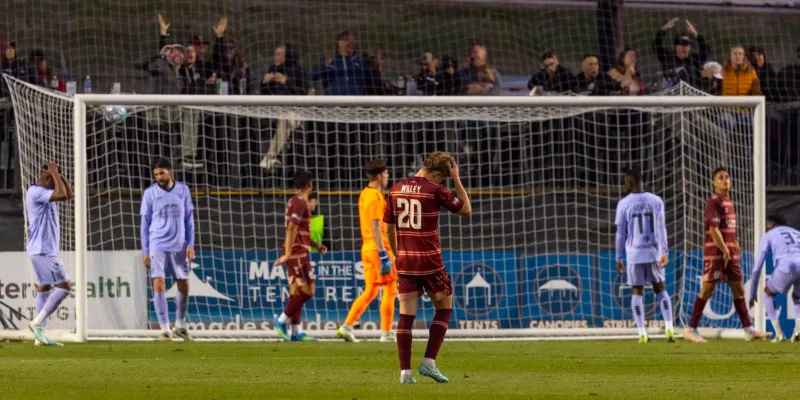
There's also the matter of catharsis. Soccer, with its low-scoring tension and dramatic swings, is almost engineered for emotional release. A 0-0 game that ends with a stoppage-time winner doesn't just produce excitement — it produces a physiological unloading of tension that's been building for 90-plus minutes. Screaming, jumping, hugging strangers. It's primal. And it's healthy.
Finding Your People in the Stands
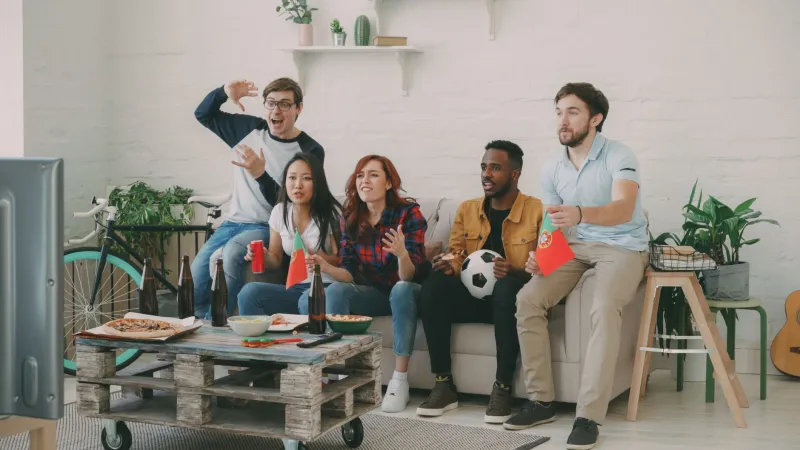
For many American fans, the mental health payoff isn't just about the game itself — it's about the community that forms around it.
Jessica moved from a small town in Tennessee to Seattle three years ago for work. She knew nobody. Her therapist at the time suggested she find a local hobby group, something with regularity. She ended up at a Sounders match almost by accident, dragged along by a coworker. By halftime, she was singing songs she didn't know the words to.
"I went back the next week," she says. "And the week after that. There were these people who always sat near me, and we started talking. Now they're some of my closest friends. Like, these are people I'd call in an emergency."
This isn't unusual. The social infrastructure of soccer fandom — supporters' groups, watch parties, away trip crews — creates what sociologists call "third places." These are spaces that are neither home nor work, where social bonds form organically, without agenda. In an era of increasing isolation and digital disconnection, third places are increasingly rare and increasingly precious.
Dr. Torres calls it "belonging by proxy" — you show up for the game, but you stay for the people. "A lot of Americans are experiencing what researchers call a 'friendship recession,'" she notes. "Soccer fandom, especially the supporter culture that's grown around MLS and the Premier League viewing community, is one of the few spaces where adult friendships still form naturally and quickly."
The Ritual Is the Point
Ask any devoted soccer fan about their match-day routine and they'll describe it with the kind of specificity usually reserved for religious practice. The alarm at 6:45 a.m. for an EPL kickoff. The specific coffee order. The jersey that has to be worn, washed but never dry-cleaned. The playlist during the drive to the bar.
These aren't just quirks. They're anchors.
"Consistency is enormously stabilizing," says Torres. "Especially for people dealing with anxiety or depression, having something that happens the same way, on a predictable schedule, that you genuinely look forward to — that's therapeutic infrastructure."
There's also the focus element. During a match, most fans report a near-total suspension of whatever else is weighing on them. Work stress, relationship problems, health anxiety — it all recedes when Erling Haaland is bearing down on goal or when Messi is doing something that shouldn't be physically possible. It's not escapism in the pejorative sense. It's more like a mental reset — a forced break from the noise that allows the brain to recover.
"Flow state," Torres calls it. "It's the same psychological state athletes experience when they're completely absorbed in performance. Fans can access it too, just vicariously. And the benefits — reduced cortisol, improved mood, sharper focus afterward — are real."
When the Game Gives Back
None of this is to suggest soccer is a substitute for professional mental health care. Torres is quick to make that distinction. "Fandom is a supplement, not a replacement. If someone is dealing with serious depression or trauma, they need clinical support. But as part of a broader wellness picture? Soccer fandom checks a lot of boxes that people don't even realize they're checking."
What's striking is how many fans, when asked about their relationship with the game, instinctively reach for therapeutic language without being prompted. They talk about how it "grounds" them, how it gives them "something to hold onto," how the community makes them feel "less alone."
Marcus, the guy who ugly-cried in Columbus, put it simply: "I don't think I realized how much I needed that release until I had it. And now I kind of build my week around it. Not because I'm obsessed — well, maybe a little — but because it genuinely makes me feel better. Like, measurably."
He paused, then grinned. "My actual therapist knows about it. She thinks it's great."
Maybe the most honest thing we can say about soccer in America right now is this: for a lot of people, it arrived at exactly the right time. In a country navigating a loneliness epidemic, a mental health crisis, and a desperate hunger for genuine human connection, ninety minutes and a pitch full of passion turned out to be exactly what the doctor ordered.
The scarf, it turns out, doubles as a lifeline.