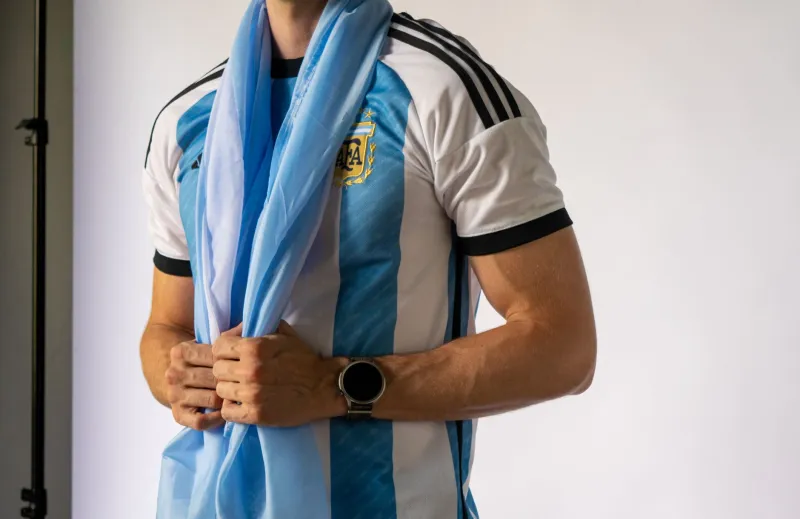
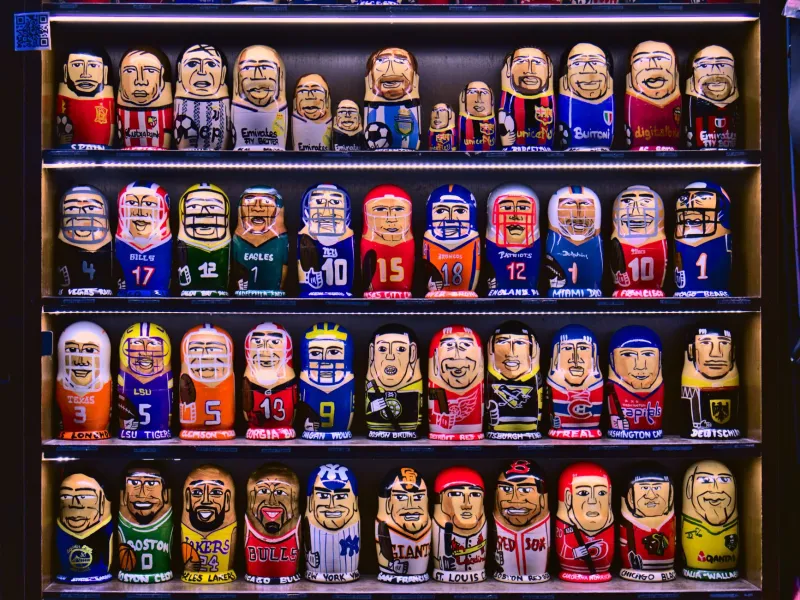
Grief and Gear: The Strange Spending Surge That Happens After Your Team Gets Crushed
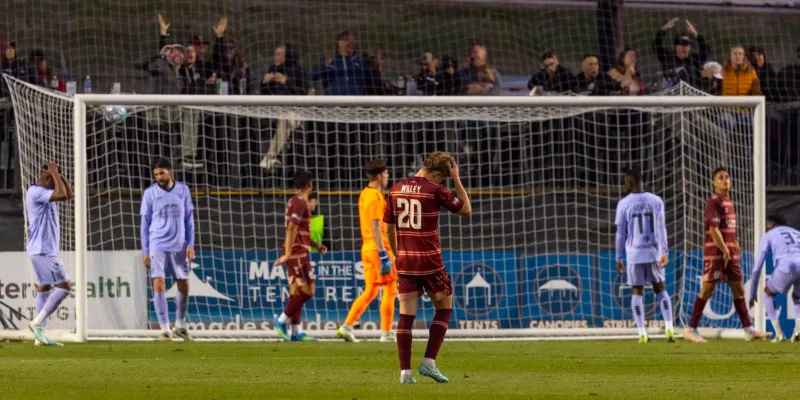
It's a Sunday night in late October. Your team just gave up a stoppage-time equalizer that knocked them out of playoff contention. The final whistle blew twenty minutes ago and you're still sitting on the couch, half a cold beer on the coffee table, staring at nothing. Then, almost without thinking, you open your team's online store and buy a scarf you definitely didn't need.
Sound familiar? You're not alone — and you're not irrational, either. At least, not entirely.
American soccer culture has quietly developed one of the more fascinating behavioral quirks in all of sports fandom: the post-loss spending spike. Fans who just watched their team fall apart at the seams are, in many documented cases, more likely to open their wallets in the hours and days that follow than fans celebrating a comfortable win. It's counterintuitive. It's emotionally messy. And it says a whole lot about what soccer has become in this country.
The Numbers Don't Lie (Even When Your Team Does)
Sports economists have been circling this phenomenon for a few years now, and the data is genuinely striking. Research out of consumer behavior studies in professional sports has shown that emotional distress — particularly the kind tied to identity-based losses — can trigger what psychologists call "compensatory consumption." Basically, when something threatens your sense of self, you buy things that reinforce who you are.
For soccer fans, that means jerseys, memberships, match tickets, and streaming subscriptions. Losing a match that mattered — a derby, a must-win, a late-season gut-punch — often creates a stronger emotional response than a routine victory. And stronger emotional responses drive action.
"Winning feels good, but it doesn't necessarily create urgency," says one sports consumer researcher who has studied MLS fan behavior. "A loss, especially a painful one, creates a kind of psychological need to reaffirm loyalty. Buying something tangible is one way fans do that."
MLS clubs have quietly started to notice this pattern in their own data. Some front offices have reported that merchandise sales — particularly items with strong identity markers like scarves, crests, and supporter section gear — tick upward in the 48-hour window following high-stakes defeats. It's not a massive spike, but it's consistent enough to raise eyebrows in the analytics department.
When Grief Becomes a Statement
Talk to supporters groups across the country and you'll hear the same sentiment framed a hundred different ways: buying something after a loss isn't about consoling yourself. It's about declaring something.
Marcus, a longtime Portland Timbers supporter from Eugene, Oregon, put it bluntly after the Timbers dropped a heartbreaker in the 2023 playoffs: "I bought a new third kit the next morning. Not because I was happy. Because I needed everyone to know I wasn't going anywhere. That's just what you do."
That impulse — to signal commitment through commerce — is deeply woven into American consumer culture, and soccer has tapped into it in a way that feels uniquely intense. Unlike NFL or NBA fans, who often have generational, geography-bound loyalties baked in from childhood, many American soccer fans chose their club consciously, often as adults. That choice carries weight. When the team loses badly, the choice itself can feel under threat, and spending is one way to double down on it.
Psychologists who study identity and consumer behavior describe this as a form of "self-affirmation through purchase." You're not just buying a scarf. You're buying proof — to yourself and to the world — that you're still in.
The Streaming and Subscription Angle
It's not just merchandise. Subscription platforms and streaming services that carry soccer content have also noticed unusual engagement patterns following high-profile losses. Fans who just watched their team get embarrassed are, somewhat paradoxically, among the most active users on highlight apps, tactical breakdown channels, and club-affiliated content platforms in the hours after the final whistle.
They're not wallowing — they're processing. And in processing, they're consuming more content, which keeps them engaged with the ecosystem that surrounds their club. That engagement often translates into renewals, upgrades, or new sign-ups from fans who were on the fence but got emotionally activated by a painful result.
For a sport that has spent decades trying to build sustainable fan bases in the United States, that kind of deep emotional investment — even when it's rooted in disappointment — is genuinely valuable. Apathy is the enemy of any sports league. Heartbreak, it turns out, is not.
The Flip Side: Not Every Loss Opens Wallets
It's worth being honest about the limits of this phenomenon, because it isn't universal. There's a meaningful difference between a devastating loss and a demoralizing one.
A narrow playoff defeat, a late comeback that fell just short, a match where your team gave everything and still came up empty — those are the losses that tend to trigger the spending reflex. They hurt in a way that feels meaningful, like the result matters to your identity as a supporter.
A 4-0 blowout where your team looked disorganized and disinterested? That's a different animal. Sports economists and psychologists who study this space draw a clear line between "noble defeat" spending and what one researcher calls "disgust exits" — moments where fans are so alienated by a performance that they disengage entirely, at least temporarily.
Clubs that lose badly and often without any sense of fight or dignity don't get the loyalty spending spike. They get cancellations, empty seats, and silent merchandise stores. The emotional investment has to be there first. You can't grieve something you've stopped caring about.
What This Means for American Soccer
For MLS clubs, NWSL teams, and even the USMNT and USWNT supporter communities, understanding this psychology matters more than it might seem. Building a fan base isn't just about winning. It's about creating the conditions for meaningful emotional investment — the kind that sticks around through the bad stretches.
The clubs that seem to understand this best are the ones investing heavily in supporter culture: tifo, organized sections, community events, local identity-building. When a fan feels like they belong to something bigger than the scoreboard, a loss becomes a shared wound rather than a reason to walk away. And shared wounds, as any longtime soccer supporter can tell you, have a funny way of bringing people closer together.
There's something almost beautiful about it, in a painful sort of way. The sport breaks your heart on a Tuesday night, and you wake up Wednesday morning ready to buy a new jersey and do it all over again.
That's not irrational. That's just what love looks like.