Jerseys Are Just the Beginning: How American Soccer Fans Turned Their Obsession Into a Booming Economy
There's a moment every serious soccer fan knows. You're standing in front of your laptop at midnight, credit card in hand, watching a countdown timer tick toward zero on a limited-edition kit drop. Your pulse is genuinely elevated. Your partner is genuinely confused. And you genuinely don't care, because this — this — is what loving the game feels like in 2024.
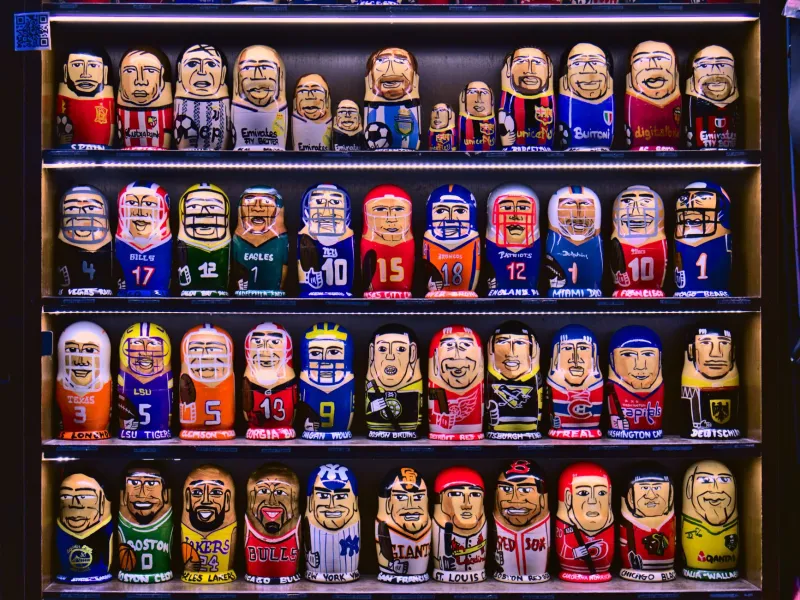
American soccer culture has quietly crossed a threshold. What started as a fringe enthusiasm has matured into something with serious economic weight, and the merchandise landscape is barely recognizable compared to what it looked like a decade ago. We're not talking about replica jerseys and foam fingers anymore. We're talking about blockchain collectibles, creator-driven drops, club-branded streaming bundles, and a generation of entrepreneurs who built entire businesses on the back of fan passion.
Call it the passion economy. And in American soccer, it's absolutely booming.
From the Mall to the Metaverse
Not long ago, buying soccer merch in the US meant a trip to a sports big-box store where you'd find maybe three Premier League options and a dusty MLS rack near the back. Today, the experience looks nothing like that. Independent streetwear labels are collaborating with supporter groups. Club-specific capsule collections sell out in under ten minutes. And NFT platforms built specifically around soccer fandom have raised millions in venture capital.
Platforms like Sorare and Fanatics Mint have leaned hard into the American appetite for collecting — a cultural habit that stretches from baseball cards to sneaker culture — and applied it directly to soccer. Sorare alone has signed licensing deals with over 300 clubs globally, and its US user base has grown significantly year over year. The appeal isn't purely financial speculation, either. Collectors talk about their digital cards the way vinyl enthusiasts talk about records — the ownership feels meaningful, even if the asset only exists on a blockchain.
"There's an emotional logic to it," says one collector based in Chicago who asked to remain anonymous. "I own a moment. I own a piece of a player's history. That's not nothing."
The Drop Culture Takeover
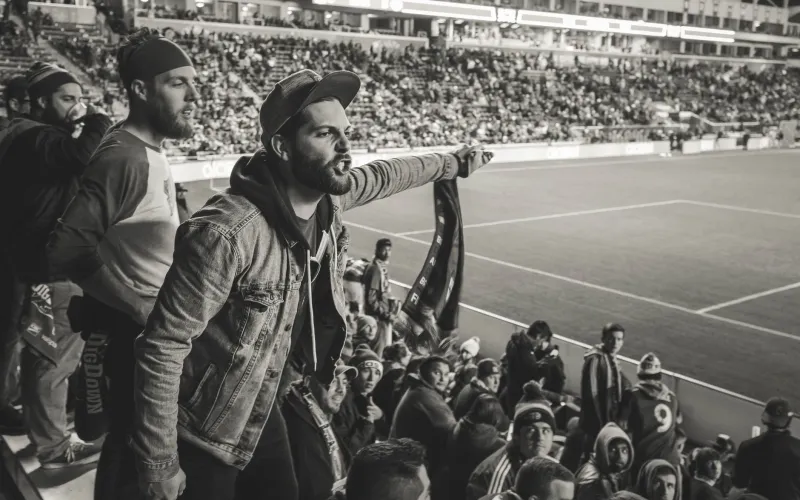
If you follow any major soccer supporter group on Instagram, you've seen it: the teaser post, the countdown, the sold-out notification that arrives before you've even finished your coffee. Drop culture — borrowed wholesale from streetwear and sneaker communities — has completely infiltrated soccer merchandise, and American fans are driving a huge chunk of demand.
Clubs like Inter Miami, LAFC, and Austin FC have gotten increasingly sophisticated about how they release merchandise. Limited runs, surprise collaborations with local artists, and geography-specific designs have replaced the old model of just slapping a crest on a polo. The goal is scarcity and identity, two things American soccer fans are deeply hungry for.
Entrepreneurs are filling gaps the clubs themselves can't always move fast enough to cover. Small-batch operations — often run by fans who simply got tired of waiting for someone else to make the thing they wanted — have found real audiences. One Portland-based creator started screen-printing supporter scarves in her garage five years ago. She now runs a six-figure operation with a dedicated online store and a waiting list for custom orders.
"Soccer fans want to express something specific about who they are," she explained in a conversation earlier this year. "A mass-produced jersey can't always do that. We can."
Streaming, Subscriptions, and the Club-as-Media-Company
Merchandise is only part of the picture. Some of the most interesting economic activity in American soccer fandom is happening in the content space. Clubs and independent creators alike have figured out that fans don't just want to watch matches — they want context, community, and access, and they'll pay for it.
MLS Season Pass on Apple TV+ was a major structural shift, but the more granular story is happening at the creator level. YouTube channels and Patreon pages dedicated to specific clubs or tactical deep-dives are pulling in subscriber revenue that would have seemed absurd five years ago. Podcasters who started recording in spare bedrooms are now signing sponsorship deals and traveling to games on press credentials.
The model mirrors what happened in other passion verticals — think fantasy sports, esports, or craft beer — where the community's enthusiasm creates a media ecosystem that sustains itself. Soccer in the US has reached that inflection point, and the timing makes sense. The generation that grew up watching the 2002 World Cup is now in its thirties with disposable income and a deep emotional connection to the sport.
The Authenticity Premium
Here's the thing that separates soccer fan commerce from a lot of other sports merchandise ecosystems: authenticity matters enormously. American soccer fans, particularly younger ones, are sophisticated consumers. They can tell the difference between a club that genuinely understands its community and one that's just chasing dollars.
That's why the most successful ventures in this space tend to be built by fans, not corporations. The NFT projects that have lasted are the ones with genuine community governance and transparent roadmaps. The merchandise labels that keep selling out are the ones that show up at supporter section tailgates and actually know the names of the ultras.
At FootLove, we talk a lot about what it means to truly love the game. And one of the things that's become clear watching this economy develop is that love — real, stubborn, slightly irrational love — is actually a competitive advantage. It's harder to fake than it looks, and fans can smell the difference.
What This Means Going Forward
The 2026 World Cup on US soil is going to be a pressure test for all of this. The infrastructure being built right now — the creator networks, the digital collectible platforms, the drop-culture merchandise operations — will face an enormous surge in demand and attention. Some will scale beautifully. Some will buckle.
But the underlying trend isn't going anywhere. American soccer fans have demonstrated, with their wallets and their time, that their passion has genuine economic gravity. The question isn't whether that passion translates into commerce anymore. It clearly does. The question is who gets to shape what that commerce looks like — and whether it keeps feeling like it came from the community, or starts feeling like something being done to it.
For now, the energy is mostly good. The fans are building, creating, and investing in a version of soccer culture that reflects their own values and aesthetics. That's not a gold rush. That's a foundation.
And it's only getting started.