Still Here, Still Hurting: The Strange Science of Staying Loyal to a Team That Keeps Breaking Your Heart
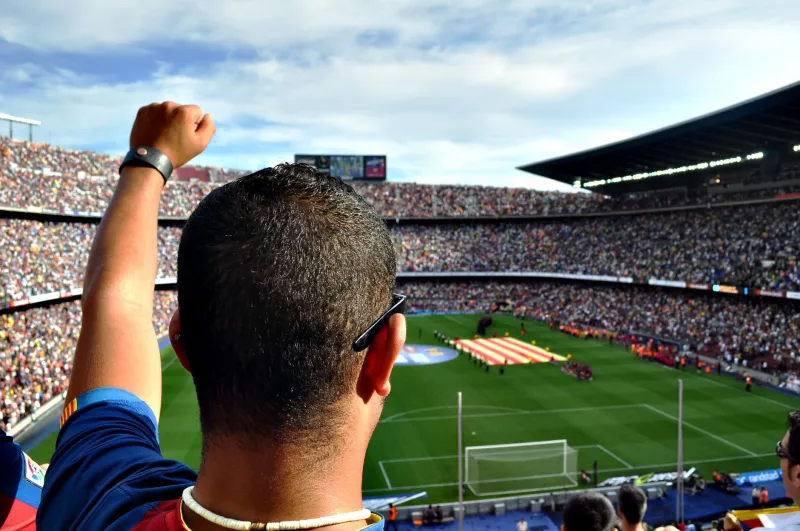
There's a moment every long-suffering soccer fan knows intimately. It usually arrives somewhere around the 88th minute of a game your team absolutely should not be losing. Your phone is face-down on the couch. Your coffee went cold an hour ago. And somewhere in the back of your brain, a very reasonable voice whispers: why are you still doing this to yourself?
You never answer it. You just keep watching.
Across the United States, millions of soccer fans are locked in what might charitably be called complicated relationships with their clubs. FC Cincinnati supporters who lived through the expansion era from hell. Chicago Fire fans who've watched a once-proud club cycle through coaches like a revolving door. Columbus Crew diehards who fought an ownership relocation battle that would have broken most fanbases entirely. And yet — they're all still there. Still renewing season tickets. Still refreshing transfer news at midnight. Still painting their faces for matches that, statistically speaking, have a decent chance of ending in misery.
So what exactly is going on here?
The Identity Trap (And Why It Doesn't Feel Like a Trap)
Dr. Sarah Kessler, a sports psychologist based in Chicago who has worked with both athletes and fan communities, puts it plainly: "By the time someone has followed a team through multiple painful seasons, the team isn't just something they like anymore. It's something they are."
That distinction matters more than it might seem. When your club loses, it doesn't feel like watching a stranger fail. It feels personal — because on some level, it is. The scarf hanging by your front door, the group chat that's been active since 2014, the specific bar where you always watch away games — these aren't accessories to your fandom. They're architecture. They're how your social world is built.
Walking away from a losing team isn't just changing your sports preferences. It's demolishing something structural in your life.
Kevin, a 34-year-old Fire supporter from Wicker Park, laughed when asked if he'd ever considered switching allegiances. "To who?" he said. "My dad took me to my first game. My best friends are all Fire fans. You don't just — swap that out because the front office keeps making bad decisions."
That's a sentiment echoed in fan communities from Portland to Miami. The team might be the source of the pain, but the community built around the team? That's the reason people stay.
Sunk Cost or Something Deeper?
Economists have a phrase for this: the sunk cost fallacy. The idea that we keep investing in something — time, money, emotional energy — because we've already invested so much, even when the rational move is to cut our losses and walk.
And sure, there's probably some of that happening in American soccer fandom. The jersey you bought five years ago. The road trip you took to an away match that ended 4-0. The hours spent arguing on Reddit about a player who turned out to be a bust. You don't want all of that to mean nothing.
But reducing fan loyalty purely to sunk cost psychology feels like it misses something. Because plenty of these fans know they're holding onto a difficult relationship. They're not delusional about it. They'll be the first to roast their own club's front office decisions. They write devastatingly funny self-deprecating content in match threads. They have full, clear-eyed awareness of how bad things have been.
And they stay anyway. That's not the sunk cost fallacy. That's a choice.
"There's a difference between blind loyalty and earned loyalty," says Marcus, who's been following the Colorado Rapids since the early 2000s. "I'm not staying because I think we're secretly great. I'm staying because I've been there. I've felt what it's like when we actually do something special, and I know that feeling is worth waiting for."
The Intermittent Reinforcement Problem
Here's where sports psychology gets a little uncomfortable. One reason toxic relationships — the human kind — are so hard to leave is something called intermittent reinforcement. When reward and disappointment arrive unpredictably, the brain becomes almost addicted to chasing the next positive hit. Casino slot machines work on the same principle.
Soccer, structurally, is basically a masterclass in intermittent reinforcement. You lose four in a row, then you steal a last-minute winner against a top-four side. You finish mid-table for three seasons, then you make a cup run that has the whole city losing its mind. The highs aren't frequent — but they're intense. And intensity, it turns out, is more memorable than consistency.
This isn't a criticism of soccer fans. It's actually a pretty compelling explanation for why the sport generates the kind of devotion that, say, watching a team dominate every year rarely does. Suffering sharpens joy. Every supporter who's ever been through a bad run knows exactly what it feels like when things finally, briefly, go right — and that feeling is unlike anything a casual fan ever gets to experience.
The Community That Catches You
There's one more piece of this puzzle that doesn't get enough credit: the other fans.
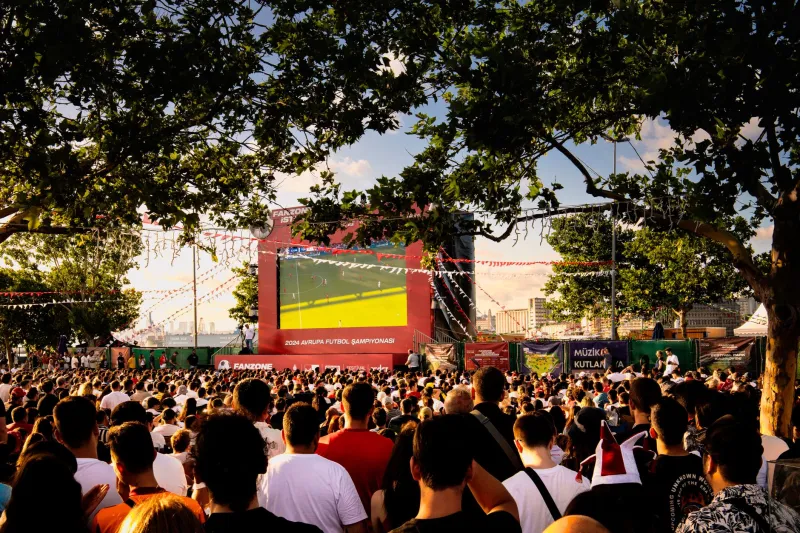
American soccer fan culture has developed something genuinely remarkable over the past two decades. Supporter groups, watch parties, online communities, travel crews — the infrastructure around the fandom has become rich and real and deeply meaningful to the people inside it. When the team breaks your heart on Saturday, you're not processing that alone. You're processing it with a hundred other people who feel exactly the same way, in a bar or a Discord server or a parking lot tailgate.
Grief, shared, becomes something else. It becomes belonging.
Jamie, a member of a Portland Timbers supporter group who's been through more than a few painful seasons, described it this way: "The team can be frustrating. The team can be infuriating. But the people I watch with? That's not going anywhere. I'm not leaving them just because our striker can't finish."
That might be the most honest answer to the whole question. American soccer fans aren't staying loyal to a badge or a crest or a set of results. They're staying loyal to each other.
So Is It Healthy?
Probably the most honest answer is: it depends.
There's a version of this loyalty that's genuinely beautiful — people building community, finding meaning, practicing patience, and experiencing the rare but unforgettable highs that only come after real lows. That version of fandom is something to be proud of.
There's also a version where the emotional investment tips into something that genuinely disrupts your life — where a loss ruins your whole weekend, where the anxiety of match day becomes dread rather than excitement, where the community stops feeling supportive and starts feeling like an obligation.
The line between those two things is personal. Only you know which side of it you're on.
But here's what seems clear: the American soccer fans who stay through the hard years aren't doing it because they don't know any better. They're doing it because they've decided — consciously or not — that the love is worth the cost.
The breakup text never came because, deep down, they never really wanted to send it.
And honestly? We get it.